
Fine Art Photography vs. Wall Decor: What’s the Real Difference?
You might think fine art photography is just showing up with a nice camera and clicking the shutter at the right time. And sure—sometimes that happens. But more often than not, it’s closer to a quiet, muddy, precarious ballet between light, time, and location scouting apps.
Fine art photography is about intention. It's the difference between taking a photo and making one. Every element—the light, the composition, the timing, the mood—is orchestrated to express a creative vision. It’s not about documenting what was there. It’s about revealing what was felt.
Let me give you a quick example.

The photo above is one I captured on Kauai that looks, on the surface, like a peaceful moment of water cascading over lava rock. But to get that image, I had to climb a slippery mini mountain of jagged rocks, lower myself into a “bowl” of rocks where the tide was literally sloshing in, and wedge my tripod into a precarious, uneven crevice. I sat there—soaked, nervous, and gripping my gear—waiting 30+ minutes for a wave that was just right. Too big, and I’d have lost my camera (or teeth). Too small, and the water wouldn’t have created the flowing cascade I needed for the long exposure.
That’s fine art photography. It’s planning, patience, risk—and a little bit of insanity.
When I create a piece, it’s not just about what’s in front of the lens. It’s about what’s behind it: the hours, the intention, the story. That’s what people are investing in when they collect fine art—not just a picture, but the presence of the artist behind it.
What Is Wall Decor?
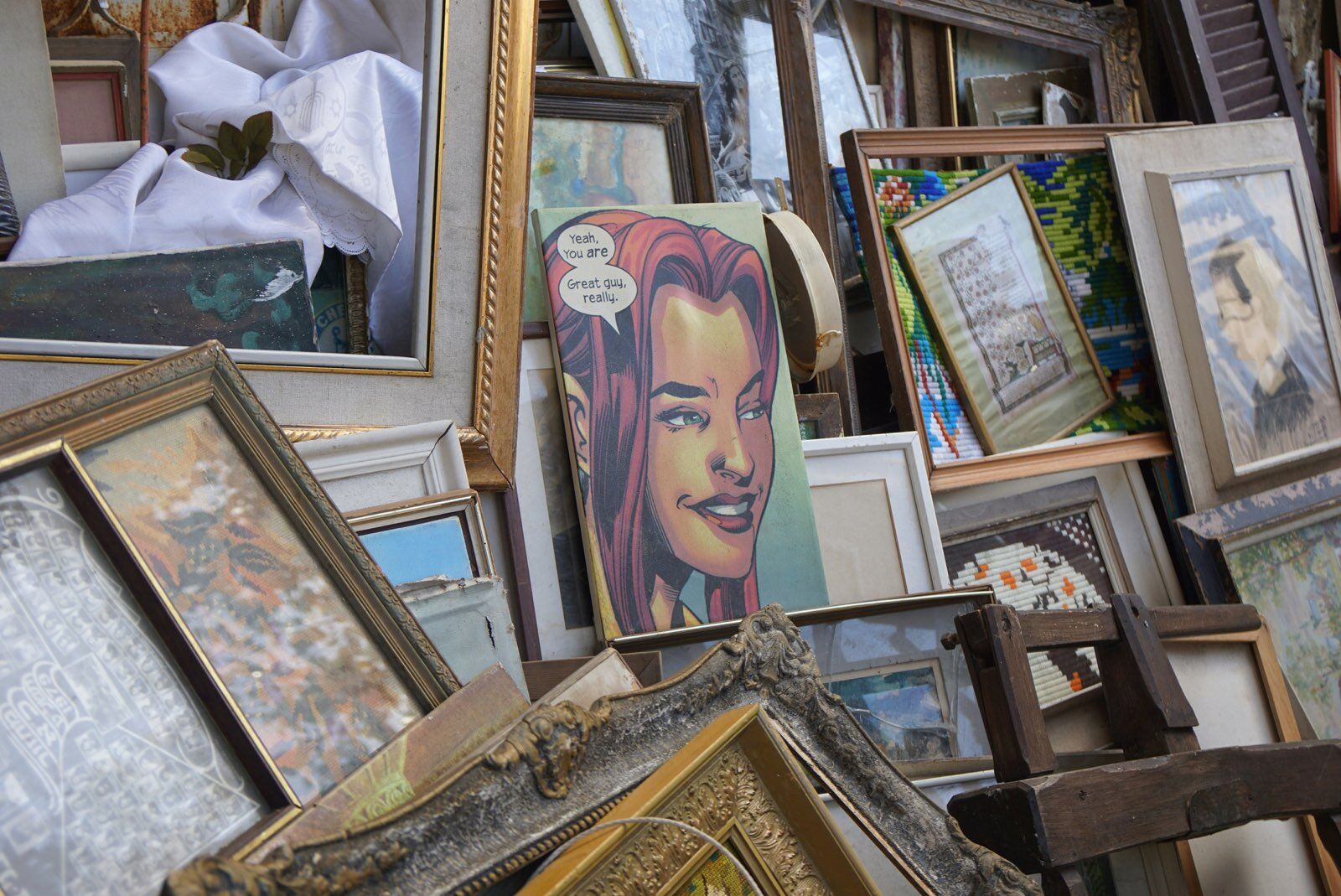
Walk into almost any home goods store and you’ll find racks of "art" lined up like cereal boxes. Abstract brushstrokes, serene beaches, botanical prints with inspirational quotes—designed to match your couch and not make too much of a statement.
This is wall decor: mass-produced, trend-driven, and often created to blend in rather than stand out. There’s nothing inherently wrong with it—it serves a purpose. It fills a blank space. It completes a look.
But wall decor is not fine art.
Wall decor is typically:
- Printed in massive quantities
- Designed to be universally appealing
- Produced with cost-effective materials
- Made without the hand or vision of a single artist
Where fine art photography is about expression, wall decor is about decoration.
Why the Difference Matters
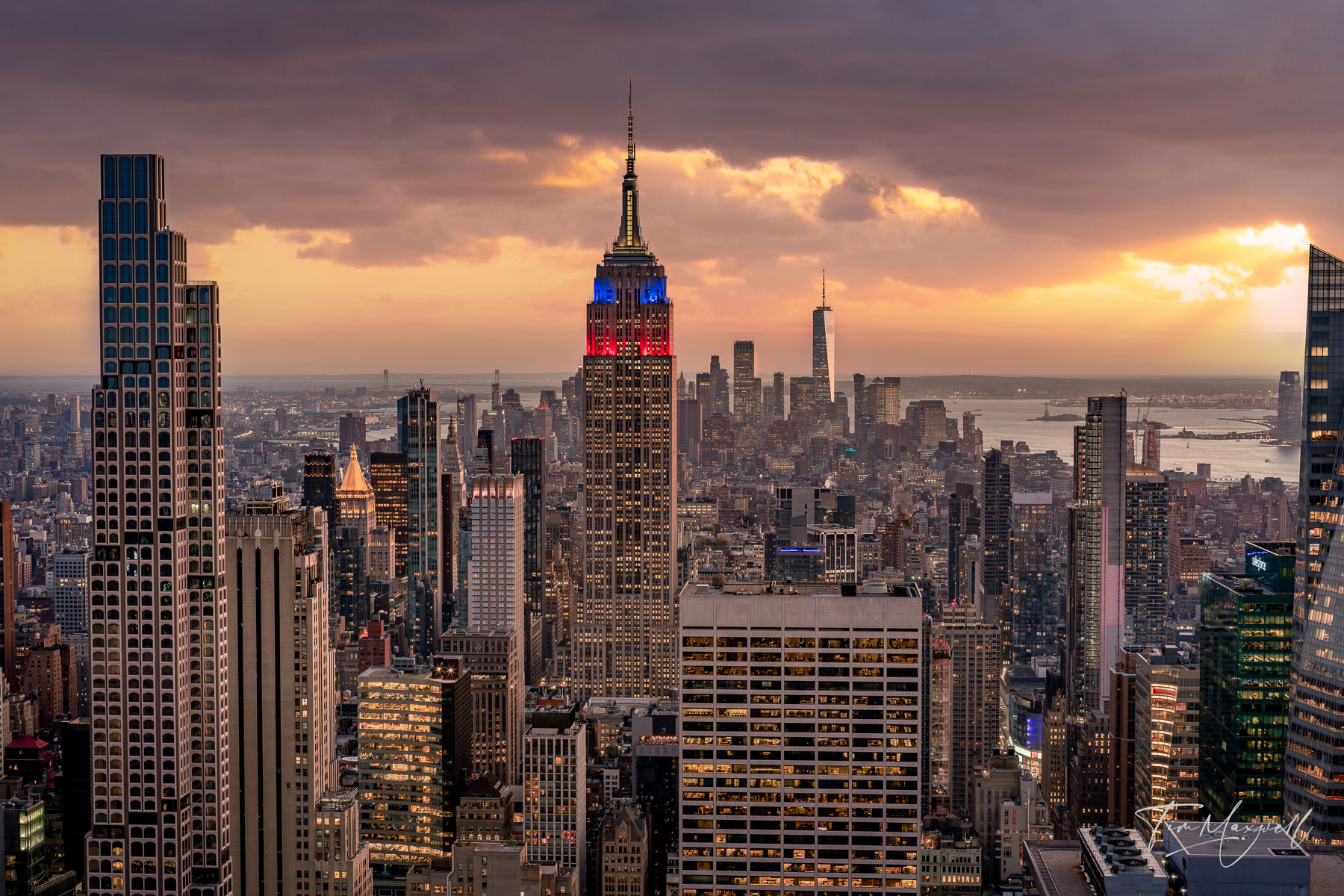
Imagine walking into a room where a single photograph stops you mid-step. It doesn’t just match the furniture—it transforms the space. It feels like a window into another place, another moment. It says something.
That’s the quiet power of fine art.
Here’s why that matters:
- Originality: Limited editions mean rarity and uniqueness.
- Design Impact: Fine art becomes the visual anchor in a space.
- Personal Meaning: True art creates emotional connection.
- Support for Artists: Your investment keeps real artists creating.
There’s something powerful about knowing the story behind the piece on your wall. That it wasn’t whipped up on a computer or churned out by a factory, but captured through real effort, intention, and vision.
How to Tell the Difference

Here are a few key markers that separate fine art photography from wall decor:
1. Limited Editions
Look for edition numbers like “1/25.” Fine art is exclusive. Wall decor is not.
2. Signature & Certificate of Authenticity
Fine art is signed and documented. Wall decor isn’t.
3. Archival Materials
Fine art uses museum-grade inks and paper. Wall decor is designed for short-term appeal.
4. Artist’s Story
Fine art has a backstory. A journey. A voice. Wall decor doesn’t.
5. Price (and What It Reflects)
Fine art costs more because it’s worth more—creatively, materially, and emotionally.
Why Invest in Fine Art Photography?
There’s something intangible that happens when a piece of fine art enters your space. It’s not just that it looks good. It brings intention into the room. It roots the space. It makes the ordinary feel… a little more extraordinary.
- Emotional Connection: You connect with art in a way wall decor can’t deliver.
- Long-Term Value: Fine art retains and can grow in value.
- A Sense of Story: Fine art is a visual conversation starter.
- Supporting Artists: Your purchase directly supports creativity and craft.
When you invest in fine art photography, you’re not just decorating a space—you’re enriching it. You’re adding something lasting, something real, and something you’ll keep noticing every time you walk by.
Conclusion: Why It All Matters

The next time you’re deciding what to hang on your wall, I hope you pause for a second. Ask yourself: “Do I just want something that fills the space—or something that gives it life?”
Because that’s really the heart of the difference between wall decor and fine art photography. One is decoration. The other is expression.
Creating these images—whether it means hiking before sunrise, sitting in tidepools with a death grip on my tripod, or waiting for light that may never come—isn’t just about getting the shot. It’s about chasing a feeling. It’s about making something that lasts. Something that speaks.
And I’d love for you to experience that in your own space.