The Living Print: How Changing Ambient Light Transforms Fine Art Acrylic Prints
High-end acrylic prints actively respond to changing daylight in your home, transforming fine art landscape photography into a dynamic, living window.
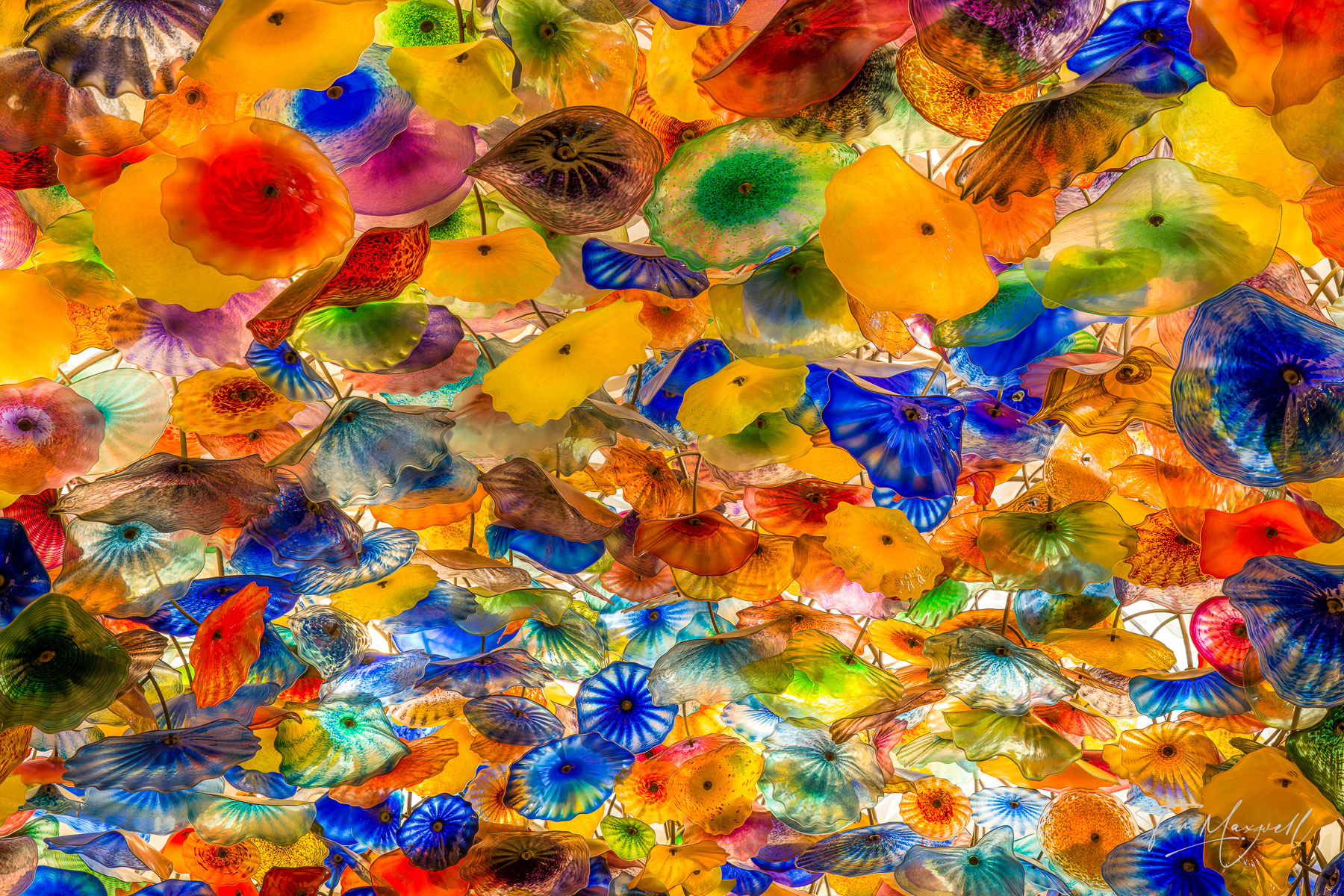
The first time I truly understood what light could do to a photograph, I was standing in a Peter Lik gallery in Las Vegas.
They had viewing rooms outfitted with dimmable spotlights, and as the gallery attendant adjusted the illumination, the acrylic prints seemed to transform right in front of me. They didn't just brighten, they looked like they were glowing from the inside out. I stood there staring at the wall, genuinely wondering if there was a lightbox built behind the frame or a power cord hidden behind the drywall somewhere.
Until that moment, I viewed printing mostly as a static transfer: you take a digital file from your computer screen, send it off to a lab, and get a paper reflection of that image. But seeing high-end acrylic up close completely destroyed that assumption.
The Inherent Depth: Why Master-Grade Mediums Stand on Their Own
Most of us look at landscape photography on phone screens and computer monitors, where bright pixels are pushed directly into our eyes. Traditional paper prints often feel flat by comparison because ink absorbs light rather than interacting with it.
High-end printing -- specifically Lumachrome® TruLife® acrylic -- fundamentally changes the surface. Instead of printing ink directly onto paper fibers, the image is rendered onto an iridescent, metallic transparency layer and face-mounted directly under optical-grade acrylic.
What that means in everyday life is simple: even in flat, ordinary room light without special spotlights, the print holds an unmistakable three-dimensional punch.
- True Shadow Separation: The deep greens in evergreen trees and dark shadow pockets stay rich and black instead of washing out into muddy gray.
- Crisp Edge Clarity: Fine textures—like individual aspen trunks or distant ridgelines—hold crisp edge separation rather than blending into mid-tones.
- The Optical "Backlit" Look: The metallic receiver layer catches whatever ambient light is present in the room and bounces it back through the acrylic, creating that glowing dimensional look on its own.
Watching Art Shift Across the Day

Right now, I’m in the middle of moving, so my own Lumachrome® print isn't even hung on a wall yet. It's leaning against the baseboard in a spare room. But even propped up amidst moving boxes, watching it interact with changing ambient daylight has been an eye-opener.
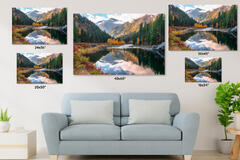
The piece is one of my favorite photos I've ever taken: an autumn shot near Ridgway, Colorado, called "When the Mountains Blush." It captures golden aspen groves mixed with dark evergreen pines, framed against high mountain peaks catching that brief, fleeting pink alpenglow just as the sun dips below the horizon. It was one of the more memorable sunsets I've ever been a part of, so I decided to make this my "test shot" when trying out print mediums.
Here is what happens as the room's light changes throughout the day:
In Bright Morning Light: As natural daylight fills the room, the full spectrum of color wakes up. You see the crisp distinction between golden leaves and dark pine needles, and the texture of the distant rock faces stands out with incredible clarity.
As the Room Dims at Dusk: When evening approaches and the natural light fades, the print does something remarkable. It doesn't just get dark, it actually feels like dusk in the San Juan Mountains. The pines deepen into natural evening silhouettes, while the soft pinks on the high peaks linger with a warm, subtle luminescence long after the light in the rest of the room has faded.
As landscape photographers, we spend hours standing in freezing mountain air waiting for the light to hit a ridge just right for five fleeting minutes. Indoors, nobody stands around staring at a wall waiting for clouds to pass, but living with a print that actively breathes with the room's shifting daylight creates a remarkably similar feeling.
Scenes That Naturally Come Alive
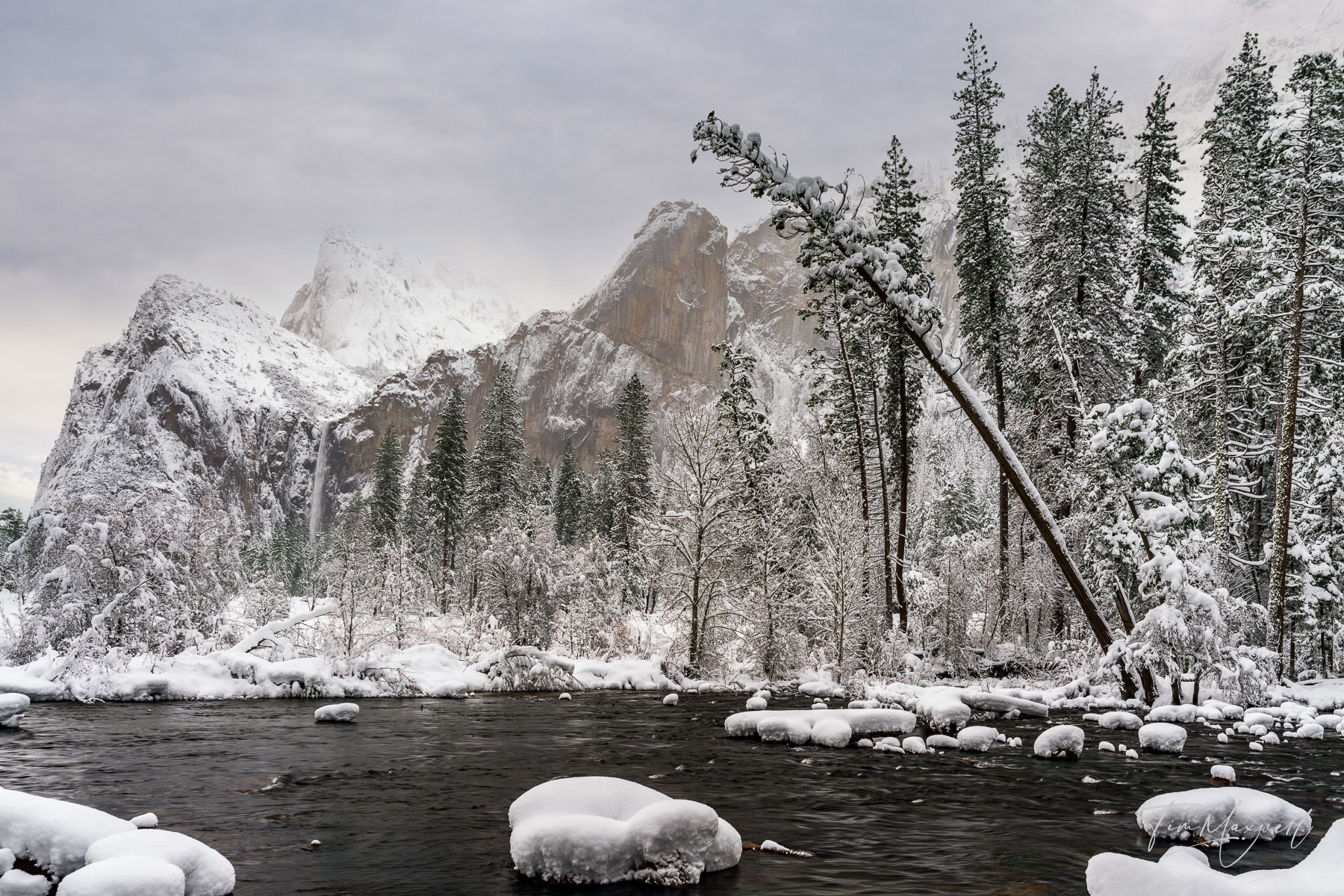
While an autumn mountain scene with sunset color is a natural fit for this medium, the way high-end prints interact with light makes other styles of photography especially powerful:
- Winter Landscapes: Snowdrifts and frosted alpine peaks like those in my Yosemite National Park winter gallery can easily look chalky or flat on standard paper. Under optical acrylic, bright snow catches incoming light with a crystalline sharpness, while delicate blue and violet shadows hold their natural cold tones.
- Deep Night Skies: Astrophotography requires serious contrast. The metallic backing preserves deep, ink-black space while allowing pinpoint stars and nebulae to catch ambient light, making star fields feel truly suspended in space. I don't have much astrophotography in my portfolio yet, but it's definitely on my list.
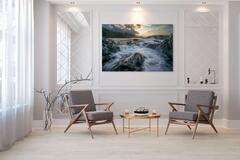
A great print isn't just a static souvenir of a trip. When the medium is built to interact with the light around it, the artwork becomes a living part of the room, changing its mood right alongside your home from morning to night.