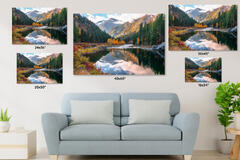
Why Real Landscape Photography Matters in the Age of AI
It is getting harder to believe anything we see online, isn't it?
I usually realize this first thing in the morning when I mindlessly scroll through Facebook or check YouTube before beginning the productive part of my day. Half the stories, articles, and videos that pop up feel completely synthetic. We are living in a strange time where advanced technology is both a massive blessing and an equally massive curse. It is everywhere, embedded in almost everything we touch, but the side effect is an internet increasingly flooded with what people are calling AI slop: fabricated news, weirdly distorted videos, and stories written entirely by a machine just to farm clicks. I read the comments and shake my head because an alarming number of people believe everything they read.
It's pretty scary, honestly. We have reached a point where you have to look at every piece of digital media with a bit of suspicion, constantly questioning whether what you are looking at is real or just a clever arrangement of algorithmically generated data.
I see both sides of this coin every single day. In my full-time gig building and supporting Shopify themes, artificial intelligence has become an indispensable partner. It helps me troubleshoot stubborn blocks of code, drafts clear responses to customer support tickets, and if I am being completely honest, it has practically become my primary therapist when the stress of life builds up. When used carefully and properly, it is an incredible asset.
But it is also a severe threat. I would be lying if I said I didn't worry about the future of my career, and I know I am far from alone in that fear. It is a strange, unsettling paradox to rely so heavily on something that could ultimately displace you.
For a long time, this felt like a balancing act confined to the tech world. But recently, that wave has started to heavily permeate the world of landscape photography. Everywhere you look now, there are nature scenes that shouldn't exist, but do, at least in the form of glowing pixels on a screen. The light is always hitting the peaks at a precise, dramatic angle. The clouds are perfectly spaced, and the water reflects a vibrant neon glow that feels a little too perfect. Anyone can sit down with a laptop, type a few descriptive words, and generate a flawless mountain scene in a matter of minutes.
It brings me right back to that same unsettling question I face in my day job. Why bother? Why spend thousands of dollars on gear, wake up at 4:30 in the morning, and wait for days in the freezing cold just for a cloud to move when a machine can generate a perfect sunset in seconds?
Stepping Out of the Competition

For a long time, I have fallen into the trap of chasing what I thought of as the ultimate shot. I would look at the weather forecasts, hoping for that rare, explosive color in the sky that every landscape photographer dreams about. If the conditions looked dull or flat, I often chose to stay inside. In hindsight, I can see how that mindset has held me back. I've been trying to compete with a standard of perfection that is incredibly rare in the real world.
Now that AI can churn out those loud, saturated sunsets on demand, trying to compete in that arena feels like a losing game anyway. It has actually forced me to rethink how I see the world through my lens. Instead of looking for the loudest moment, I am working to develop an eye for what I call the "quietly epic."
These are the scenes that a machine cannot easily guess because they require a human to slow down and notice them. It might be the subtle texture of an icy path, a simple black and white composition of fog moving through trees, or the soft, muted light of a gray afternoon. There is a quiet confidence in those moments, and I am learning that they hold just as much power as a blazing sunset.
The Grace in the Grind
There is a hidden weight behind the shutter that a computer program will never quite understand. When you look at a finished landscape photograph, you are only seeing a fraction of a second captured in time. What you do not see are the weeks of planning, the travel logistics, the long drives through torrential rain, or the hours spent standing in thigh-deep snow, blowing into your hands to keep them warm while waiting for the fog to lift.

And quite often, it does not lift. You pack up your gear, damp and empty-handed, and make the lonely drive home wondering why you chose such a frustrating, unpredictable pursuit.
But, as I've come to realize through some somewhat disappointing photo shoots in Death Valley and Yosemite, those difficult, uncooperative days are actually not wasted. In fact, they are a vital part of the process. The friction, the frustration, and the sheer patience required to capture a real place give the final image its soul. For me personally, knowing how much an artist cared, and exactly what they went through to catch that specific alignment of light and weather, changes how I view the artwork. It introduces a sense of honesty and respect for the environment that a text prompt simply can't replicate. The struggle gives the image its weight. When you remove the struggle entirely, you lose the story.
The Wall as a Window
This is why I believe the physical fine art print has become the ultimate antidote to the digital noise surrounding us.
When we consume thousands of temporary, glowing images on our phone screens every day, everything begins to feel disposable. It is easy to look at a beautiful scene on social media, scroll past it, and forget it three seconds later, partly because our brains are already wondering if it was even real to begin with. We are constantly holding the world at a digital distance.
A large, high-quality physical print hanging on a wall does something completely different. It does not flash, it does not track your data, and it does not compete for your attention with a notification. It is permanent, and it is an anchor.
Because it depicts a real place on this earth, it creates a genuine, personal connection. Photographic art is entirely about that connection. For some, a print is a tangible memory of a place they have been and want to remember. For others, it is a visual escape to a landscape they wish they were sitting in right now. When you stand close to a large print, you can see the actual detail and depth of the world. It ceases to be wall filler and becomes a window, a quiet space in your home that allows you to take a deep breath and reconnect with reality.
A Commitment to Reality
I do not expect the digital world to slow down, and I do not expect AI to disappear. It is here to stay, and there are parts of my daily life and career that are genuinely better because of it. A beautifully generated fantasy landscape has its place, and I can completely understand the allure of putting a cheap, flawless rendition of a mountain on a wall just to fill a blank space.
But for me, the goal has never been about filling spaces or achieving flawless perfection. It is about documenting the world exactly as it is, imperfections and all.

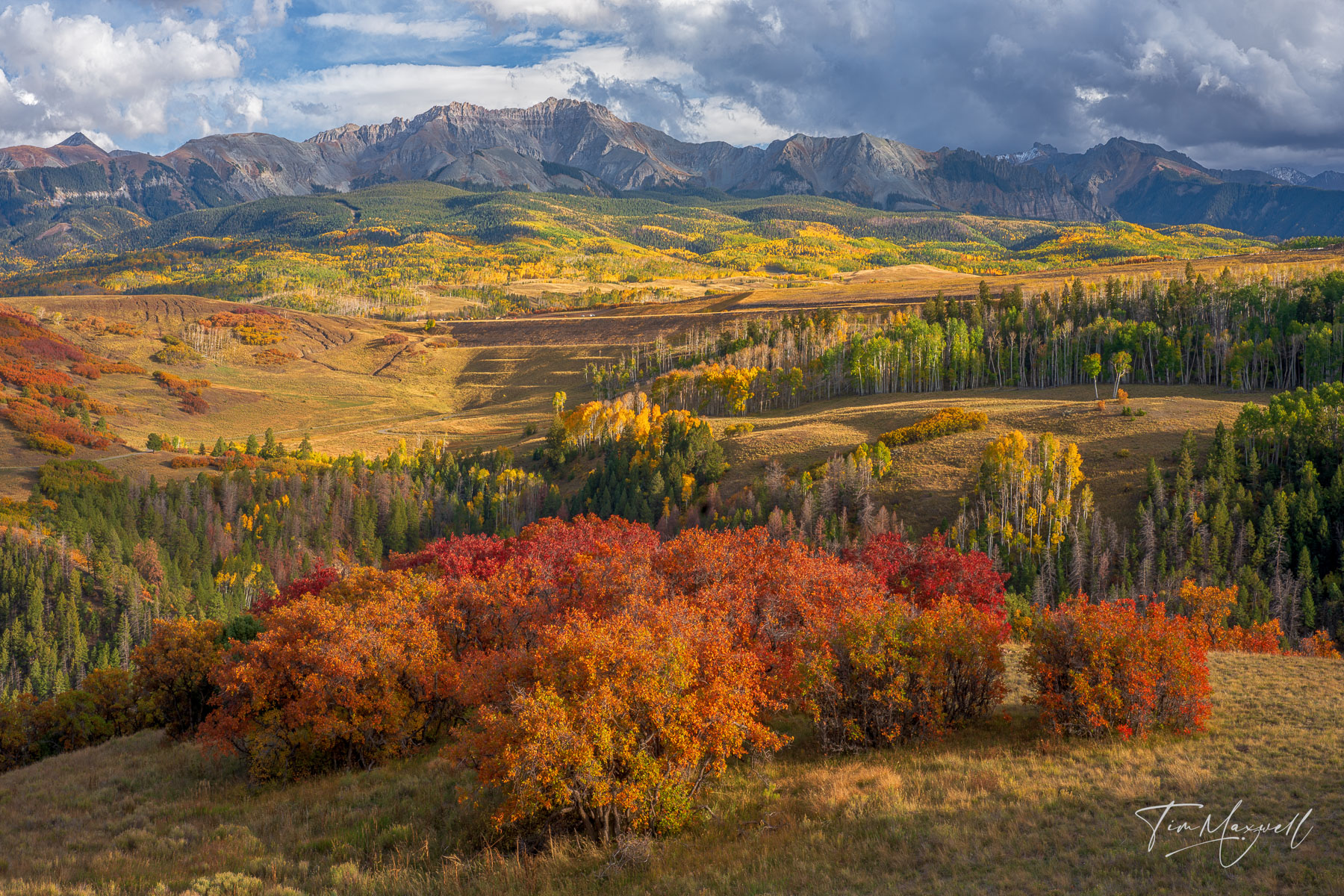
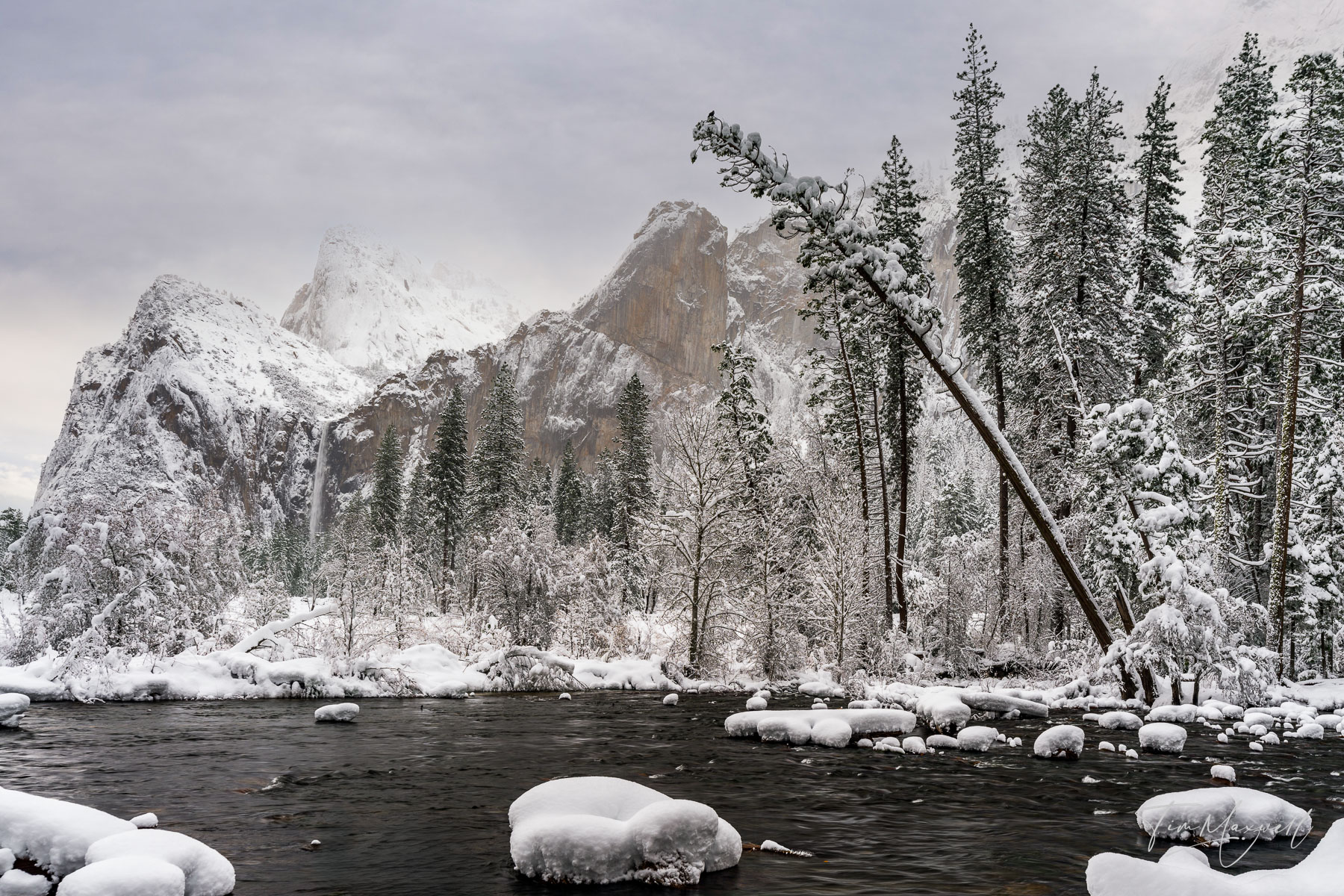
I want to look at a print on my wall and remember the bite of the crisp autumn air in Colorado, or the exact moment a veil of fog parted in Yosemite to reveal a hidden ridge. I want to feel the quiet gratitude that comes from simply being there to witness it. A machine can mimic the look of a landscape, but it can never experience the quiet peace of standing in it. As long as there are real places to explore and real moments to capture, I will keep packing my gear, heading outside, and chasing the quiet truth of the world. For me, that will always be enough.
So the next time you are looking for a piece of art to fill a space in your home, I invite you to skip the synthetic slop and invest in real photography. Choose something born from a genuine human experience, captured in a real moment, and built to bring the true soul of a place onto your walls. If any of my photos speak to you, please feel free to reach out and tell me about it. I'd love to open that window for you.